In an unpredictable world where emergencies can arise at any moment, being prepared can mean the difference between life and death. Cardiopulmonary resuscitation (CPR) is a crucial skill that empowers individuals to act swiftly and effectively during cardiac arrests and other life-threatening situations. With heart disease being a leading cause of death globally, acquiring CPR knowledge is not only beneficial; it’s essential. This article delves into the importance of CPR courses, outlining how they equip participants with the techniques and confidence needed to save lives.
Throughout this informative guide, we will explore the various types of CPR courses available, the basic skills taught, and the significance of hands-on practice. Whether you are a healthcare professional, a concerned citizen, or a parent eager to safeguard your loved ones, understanding CPR can transform you into a potential lifesaver. Join us as we unpack the life-changing advantages of becoming CPR certified and how these courses can prepare you to respond effectively in emergencies.
Types of CPR Courses
CPR courses vary widely in terms of content and delivery methods, catering to different audiences and needs. Basic courses often cover Adult, Child, and Infant CPR techniques, as well as essential skills like the use of an Automated External Defibrillator (AED) and first aid responsiveness. More advanced classes may include training for healthcare professionals who require comprehensive knowledge and certification to manage emergencies in clinical settings. To truly enhance your ability to respond in a crisis, participating in an interactive cpr course can provide invaluable hands-on experience, solidifying your understanding and skillset.
The Importance of Hands-On Practice
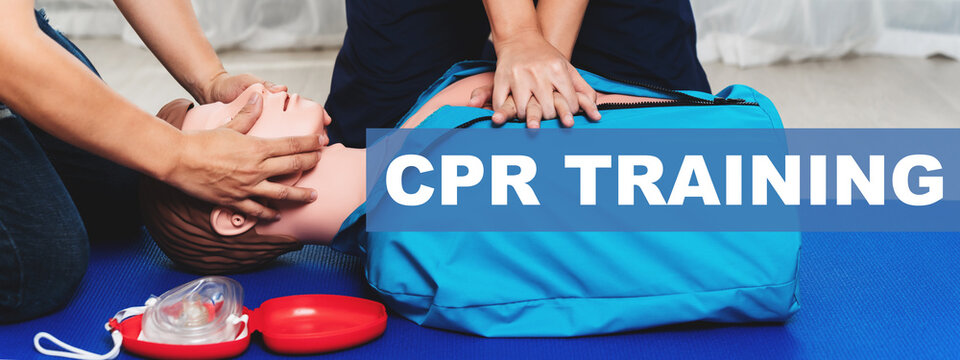
The effectiveness of CPR is greatly influenced by the confidence and competence of the rescuer. Hands-on practice during training equips participants with the necessary muscle memory to perform critical techniques under pressure. This practical experience not only reinforces learning but also helps individuals overcome the fear and hesitation that can arise during real-life emergencies. By simulating various scenarios, CPR courses help attendees learn to remain calm and responsive, transforming theoretical knowledge into actionable skills that can save lives when every second counts.
In conclusion, the knowledge gained from a CPR course is invaluable, providing not only the skills necessary to perform lifesaving techniques but also instilling the confidence to act decisively in moments of crisis. As we navigate through a world where cardiac emergencies and other health incidents are all too common, being equipped with CPR training can empower individuals to make a profound difference. Whether you choose a basic class to learn the essentials or an advanced course tailored for healthcare providers, the benefits of understanding CPR extend far beyond personal safety; they foster a community of prepared citizens capable of responding to emergencies and potentially saving lives. Embracing the responsibility to learn CPR is a vital step in creating a safer environment for everyone, ensuring that in the face of unpredictability, there will always be someone ready to help.